Keep delivery moving
Design check could not become a blocker for QA, release, or the next development task.
How we improved design quality in production without increasing time to market.
Explore the case ↓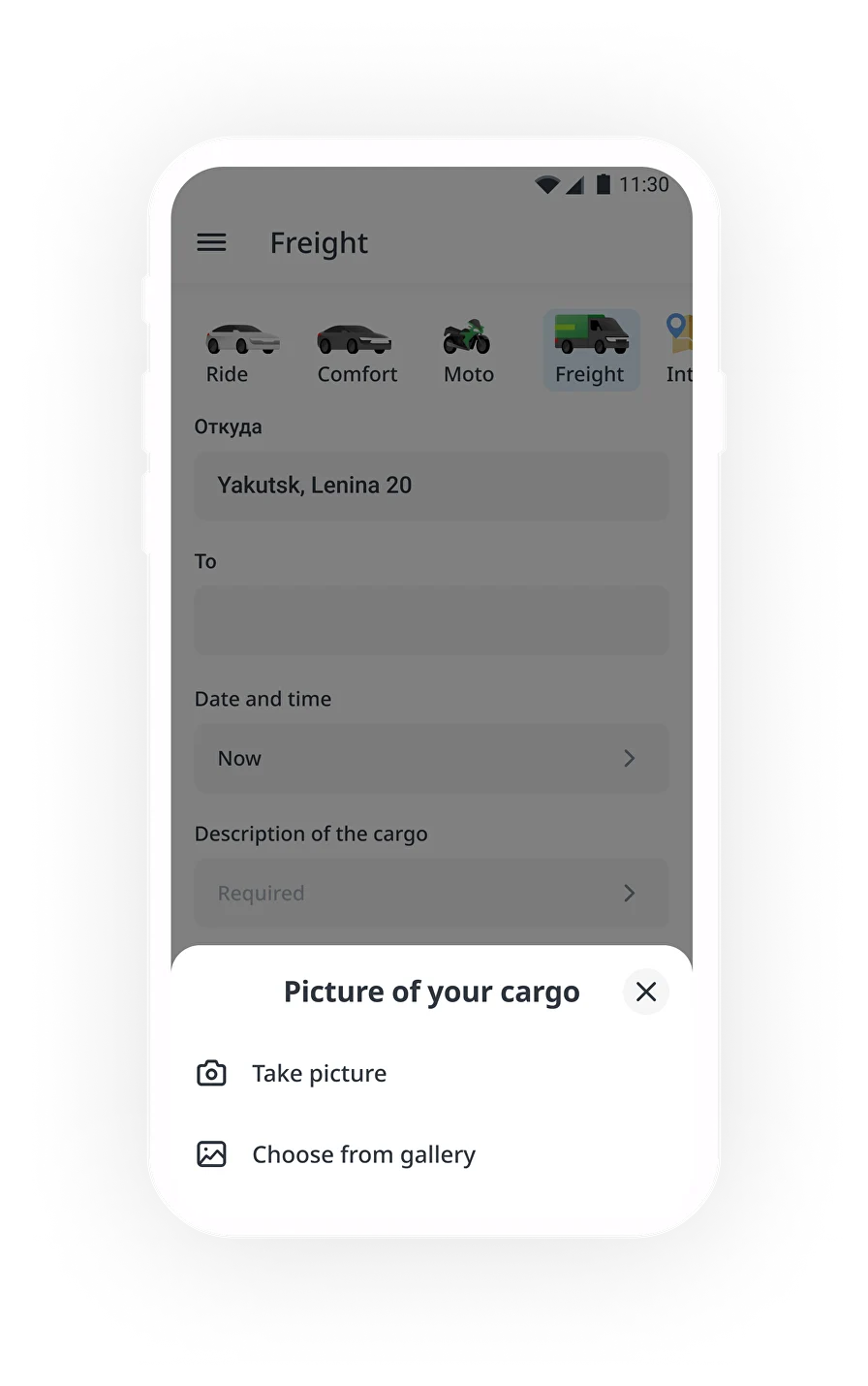
When I joined inDrive, I interviewed designers about how work moved through their product teams. Most teams had no regular design check — the moment when a designer compares the developed result with the approved layouts.
Small implementation differences accumulated in production. The fastest way to raise design quality was clear, but adding a familiar market practice was not: developers expected it to lengthen lead time.
The process had to make every shipped interface match its Figma source, while fitting into existing team delivery rather than becoming a gate at the end.
A useful process had to work for fully remote teams and respect the way engineering tasks were already decomposed.
Design check could not become a blocker for QA, release, or the next development task.
Developers were concerned that another review stage would lengthen every feature’s lead time.
A ride-hailing app is difficult to reproduce remotely: designers needed devices, test builds, VPN access, and permissions on both platforms.
I bought an extra smartphone for every app designer and wrote detailed setup instructions for test builds, VPN, and permissions. We launched a soft process so each team could decide how to incorporate it.
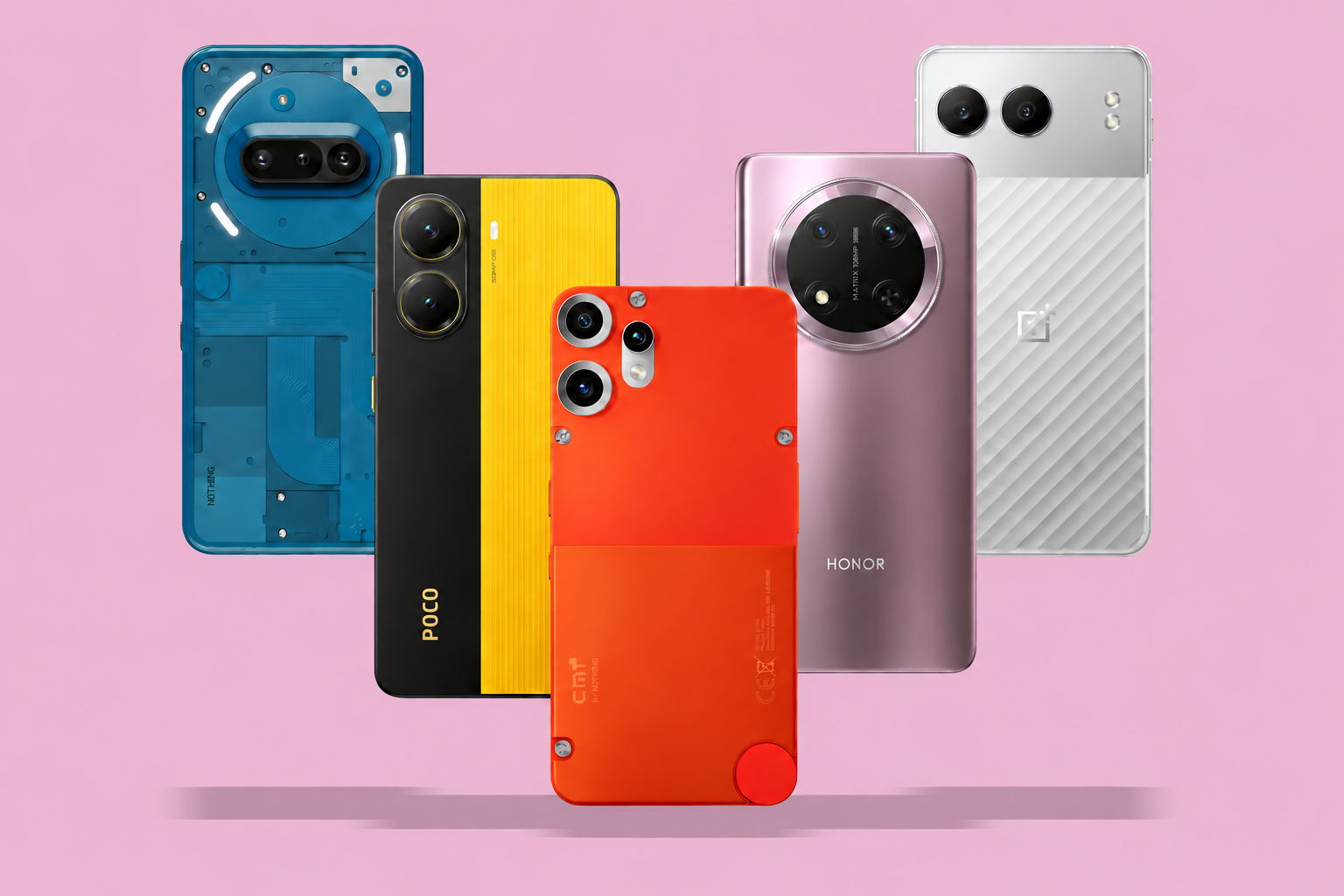
Each app designer received an extra smartphone plus clear setup instructions for test builds, VPN access, and permissions. This removed the first practical barrier to checking production interfaces.
Teams could decide how to incorporate the new process, so design corrections were often postponed. Fixes accumulated in the backlog and were rarely picked up.
Recreating a whole ride-hailing journey still took too long. The equipment made checks possible, but the workflow did not make them routine.
Together with the scrum masters, I redesigned the process around the team’s real workflow — visible, lightweight, and actionable in the same sprint.
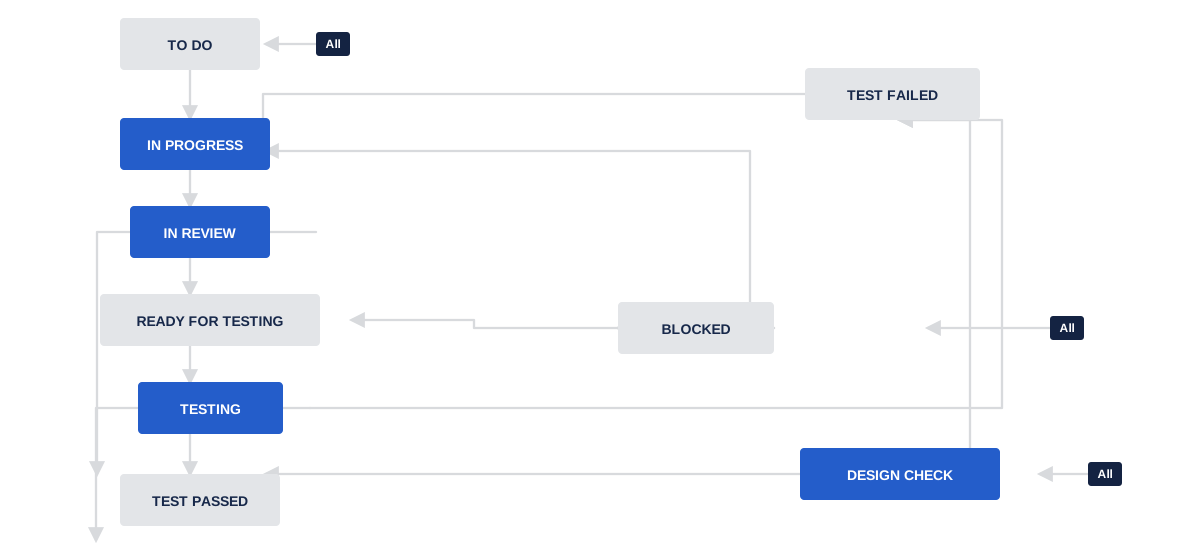
Design check became part of the Jira workflow. Teams could place it after QA or run it in parallel, depending on how they worked.
Instead of reviewing an entire flow at once, designers checked each decomposed development task as soon as it was ready.
Every correction was recorded in a dedicated Jira task and completed inside the current sprint.
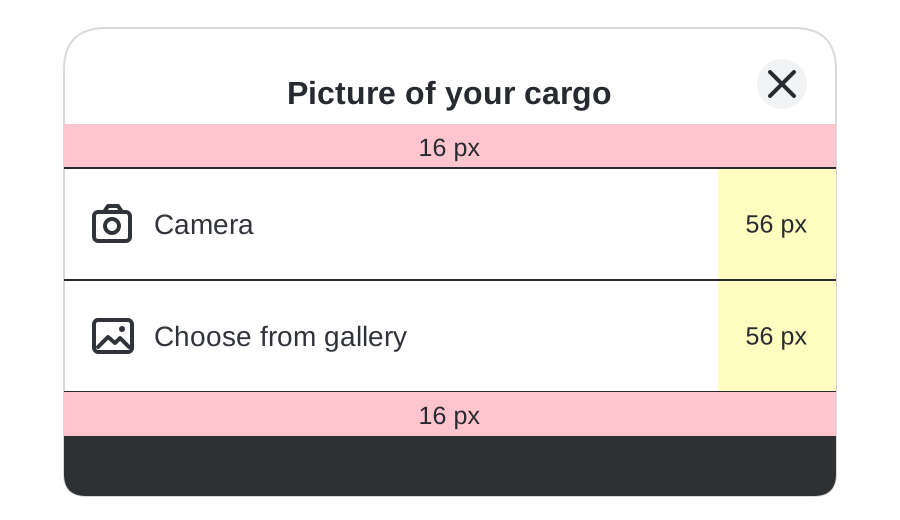
QA attached screenshots and videos so designers could review the result without repeatedly rebuilding the whole journey.
QA prepared the evidence. Designers documented corrections so developers could act without another clarification round.
Screenshots and videos were added before review, so designers did not need to recreate the entire ride-hailing journey.
Each issue included the expected value, the current value, a marked-up screen, and a link to the approved Figma design.
 Open approved design in Figma ↗
faster design check
from 3 hours to 1 hour
Every team adopted a defined process. Corrections were completed in the current sprint instead of becoming UX debt, and production interfaces matched the approved layouts.
Design check stopped refilling the UX debt backlog.
Developers surfaced constraints earlier and came to grooming sessions more focused on design details.
One team ran design check alongside QA with a four-hour SLA; the outcome remained consistent.
Owning a cross-functional process means staying close to how people actually use it. The first version exposed the friction; the second removed it. Proactivity created momentum, but problem-solving made the change mature enough to last.